

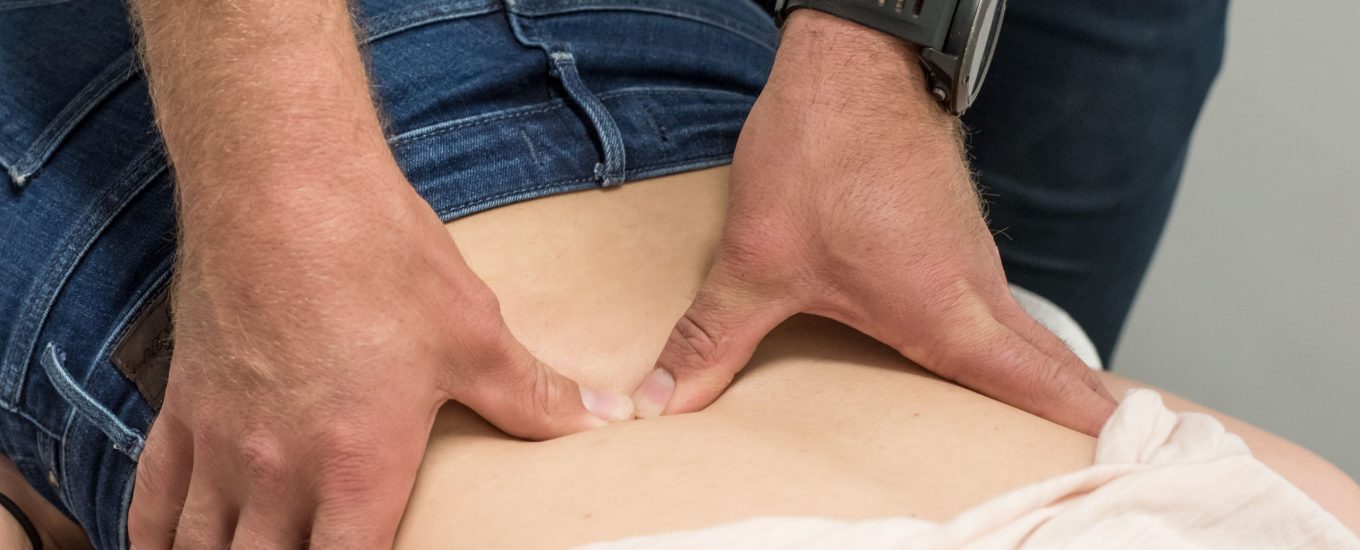
Low Back Pain

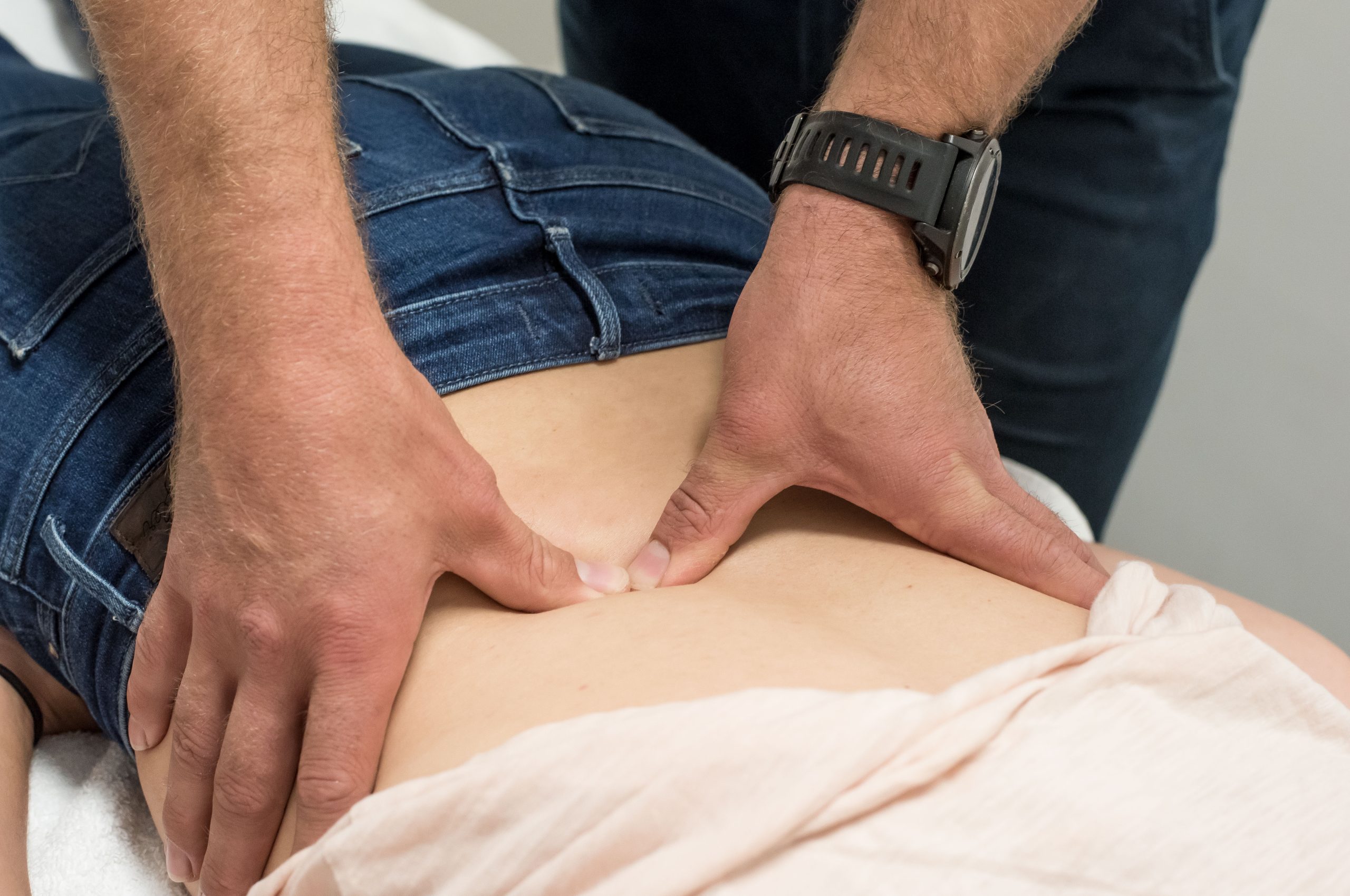
CATEGORY: SPORTS & MUSCULOSKELETAL
Low Back Pain
Low back pain is a very common condition experienced by approximately 16% of Australians. According to the Australian Institute of Health and Welfare, it is estimated that between 70-90% of people will suffer from low back pain at some stage in their life.
There are two primary types of back pain:
Acute which lasts anywhere from a few days to a few weeks. Most acute back pain will resolve on its own with self care strategies and appropriate, timely intervention with no residual or long term loss of function. Current research shows that most back injuries will gradually heal over time and patients will feel better in 6-8 weeks. The recommendation is to gently keep moving around and just modify activities as needed due to pain.
Chronic back pain which lasts for 12 weeks or longer. It is estimated that around 20% of people who experience acute back pain end up experiencing chronic back pain and persistent symptoms long after the acute injury has healed. The underlying cause of chronic back pain can be very complex as the pain is not always mechanical in nature. Recent studies have indicated that:
It is possible to have chronic back pain with absolutely no biological issue with the tissue itself.
So what else could be contributing to a person experiencing low back pain if there is nothing wrong with their back?
It is the BRAIN that decides whether pain is experienced
Many factors input into the brain that influence its decision as to whether it needs to protect the person with pain or not. In the treatment of chronic low back pain, it is imperative that you understand the science behind pain and the influence that your brain has on your pain. That is certainly not suggesting that your pain is all in your head, but your brain will alter your PERCEPTION of pain which alters the pain itself. It is in understanding the science behind pain and learning strategies to alter your pain perception that you can effectively manage pain and your symptoms.
There are many causes of back pain which can create acute and sometimes chronic symptoms but as mentioned above, the cause of pain can often be multifactorial and complex in nature.
- Injuries:
- Sprains, strains and spasm in the soft tissues of the back including ligaments, tendons and muscles
- Traumatic injuries sustained when playing sport or being involved in a car accident or having a fall
- Degenerative conditions:
- Intervertebral disc degeneration – occurs over time due to general wear and tear on discs which lose their cushioning ability
- Spondylosis – general degeneration of the joints, discs and bones of the spine as part of the natural aging process
- Arthritis or inflammatory disease – including osteoarthritis, rheumatoid arthritis or spondylitis (inflammation of the vertebrae)
- Nerve and spinal cord conditions:
- Spinal nerve compression, inflammation and injuries
- Sciatica – occurs when a structure presses on the sciatic nerve which runs through the glutes and down the back of the leg
- Spinal stenosis – the narrowing of the spinal canal which puts pressure on the spinal cord and nerves
- Spondylolisthesis – occurs when a vertebra slips out of place which can cause a pinching of the spinal nerves
- Herniated or ruptured discs – can occur when the discs are compressed and bulge outward
- Infections – such as osteomyelitis (vertebrae), discitis (discs) or sacroiliitis (sacroiliac joints)
- Cauda Equina Syndrome – occurs when a ruptured disc compresses the spinal canal and lumbar and sacral nerve roots. Neurological damage may result if this syndrome is left untreated
- Osteoporosis – bone degradation over time can lead to spinal fractures
- Other sources:
- Pregnancy
- Endometriosis
- Kidney stones
- Fibromyalgia
- Tumors
Regardless of whether your pain is acute or chronic in nature, it is essential that you see a practitioner who understands the pathophysiology of back injuries and the pain science behind them. It is in understanding how pain works and occurs that our clients can once and for all get on top of their pain and manage their symptoms effectively.
Leave a Comments
You must be logged in to post a comment.