

Lateral Hip Pain


CATEGORY: SPORTS & MUSCULOSKELETAL
Lateral Hip Pain
A.K.A Pain on the outside of your hip – how can we help?
The official term for pain on the outside of your hip is Greater trochanteric pain syndrome. This is a very common condition! It is usually caused by a combination of gluteal tendinopathy and trochanteric bursitis. We know these big words! Let us break it down for you.
What is a gluteal tendon?
Your gluteal tendons are where your corresponding glute muscles start to come together to attach to your hip bone. The exact point on the hip bone that the tendons attach to, is called the greater trochanter, which is the big bump on the side of your femur (thigh bone). We have 3 glute muscles – gluteus maximus, medius, and minimus. Your glute muscles sit on the outside of your hips and are crucial for stability, especially when we are walking!
Tendons like LOAD! For tendons to be loaded up, our associated muscles need to contract, through an uncompromised range of motion! When our muscles are particularly weak, fatigued or tight, our tendon load can be compromised. This can lead to tendinopathy – or suboptimal function of the tendons, often resulting in pain.
What is a trochanteric bursa?
A bursa is a fluid filled sac that sits in between your bones and your tendons. The fluid sac stops the tendons from rubbing over the bone, as this would cause friction and therefore irritation. Unfortunately sometimes the bursa itself becomes irritated from the continuous friction of the tendons over it. This is mostly when the mechanical load through the tendons changes for one reason or another and perhaps are not running in the best alignment. The trochanteric bursa is the bursa that sits between your greater trochanter and your glute muscles!
Symptoms
Sometimes we do not feel pain directly over the side of our hip, your pain or symptoms can also refer all the way down to the outside of the thigh, perhaps all the way down to the knee. Your pain also might radiate deep into your buttock or groin.
Aggravating factors
- Standing on one leg e.g. putting shoes and socks on
- Lying on the side of injury, or lying on your other side
- Getting in and out of the car
- Sitting – particularly cross legged
Contributing factors
- Lifestyle change – suddenly starting a new exercise routine
- Had a rest from exercise and then raced straight back into it
- Footwear
- Injury on the other leg, causing your load to increase on the newly sore leg!
- Sleeping position (lying on your side). This can either cause direct pressure on the sore side OR lying on the other hip and letting the affected side fall across the body
- Perimenopause/menopause hormonal changes lead to changes in the integrity of your tendons!
- Sitting cross legged, again can increase the load through the side of the leg
How can we help you?
Physiotherapists are experts in identifying the contributing factors to your injury. With a thorough assessment and conversation, we help you to modify your activities of daily living in order to manage your load to desensitise the area of injury. In this case your lateral hip! We are experts in understanding your story.
We will also do an objective assessment – look at how you move! This helps to identify areas of weakness, tightness and lack of mobility.
From our objective assessment, we will work with you to develop a home exercise program. Your exercises help to strengthen the necessary muscles to improve the load through your tendons and therefore lead to the reduction of irritation and pain! Also we work on improving mobility and stiffness to allow your muscles to work through their full range!
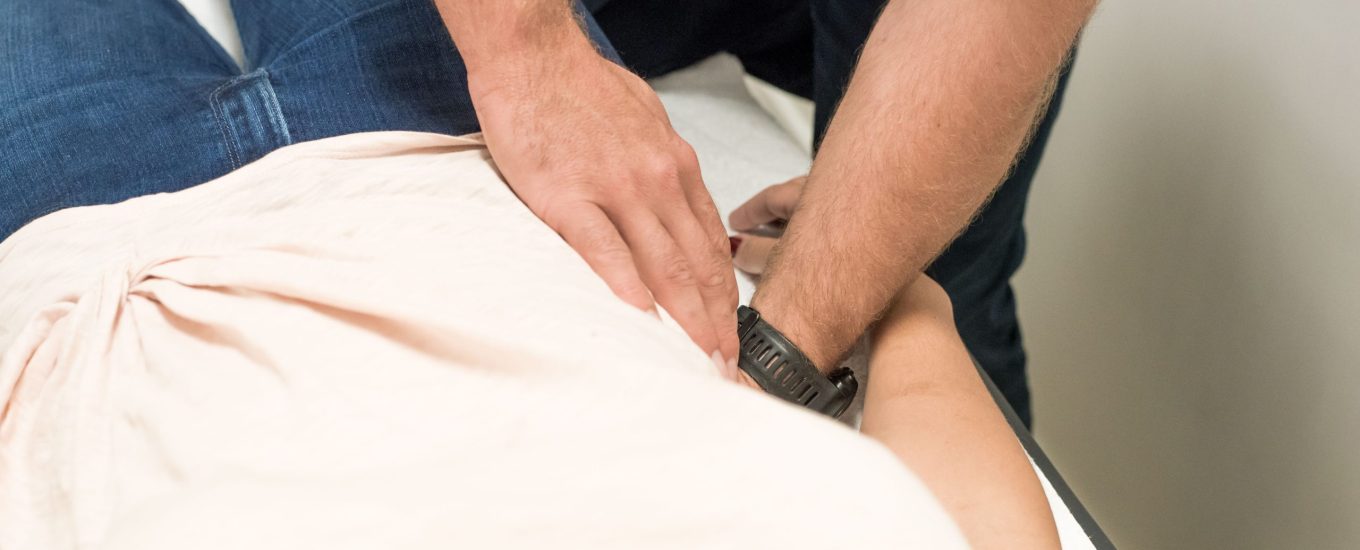
Hands on therapy can help to manually reduce tightness and stiffness through an area that may be further leading to compromised load through your tendons.
If you are experiencing lateral hip pain, please make an appointment with us today!
Leave a Comments
You must be logged in to post a comment.