

WHAT IS VERTIGO? BPPV is a specific cause of Vertigo


CATEGORY: Sports & Musculoskeletal
WHAT IS VERTIGO?
BPPV is a specific cause of Vertigo. Vertigo is a type of dizziness. It causes a sensation that you or your surroundings are spinning or moving, even when you’re still. It often begins after certain head movements or changes in position and usually lasts less than a minute if the head remains still. Movement can make the sensation worse.
SYMPTOMS OF BPPV
- Spinning sensation (vertigo)
- Light-headedness
- Balance problems or unsteadiness
- Nausea (feeling sick or like you might vomit)
- Symptoms usually improve once you change position.
WHEN TO SEEK URGENT MEDICAL HELP
- Difficulty speaking or swallowing
- Weakness or numbness in the face, arms, or legs
- Double vision
- Trouble walking or severe imbalance
- Ringing in the ears (tinnitus) or hearing loss
COMMON CAUSE: BPPV The most common cause of vertigo is Benign Positional Paroxysmal Vertigo (BPPV).
- Benign = not harmful
- Paroxysmal = comes on suddenly
- Positional = triggered by head movements
- Vertigo = spinning sensation
BPPV occurs when tiny crystals in the inner ear (vestibular system) become lodged usually by sudden movements. This means incorrect signals are sent through to the brain indicating you are spinning. This affects your sense of balance and causes vertigo.
Triggers may include:
- Looking up
- Rolling over in bed
- Getting out of bed
- Bending over
- Lying on one ear
OTHER CAUSES OF VERTIGO
- Head injury
- Inner ear infections or disorders
- Stroke or circulation issues
- Degeneration of inner ear structures (age-related)
- Idiopathic – In some cases, the exact cause is not found
TREATMENT Most cases improve without treatment over time. Medications like prochlorperazine (Stemetil) may help with nausea (short-term use only). The Epley manoeuvre, a series of head movements performed by a doctor or physiotherapist, can help reposition the inner ear crystals. Brandt-Daroff exercises can be done at home to help reduce vertigo. Referral to a vestibular physiotherapist or specialist may be needed in ongoing or unclear cases.
HOME CARE ADVICE
- Avoid positions that trigger vertigo
- Do Brandt-Daroff exercises as instructed
- Avoid sleeping on the affected (or “bad”) side
- Use 2–3 pillows to keep your head elevated when resting
- Sit up slowly in the morning before standing
- Take prescribed medications only as directed
- Do not drive until all symptoms are gone
WHAT TO EXPECT Most people improve in 7–10 days with regular exercises. Some people may take longer to recover. About 1 in 3 people may have another episode within a year. Serious or lasting issues are uncommon, but some may need further treatment or, rarely, surgery. Some people experience only one episode in their lifetime
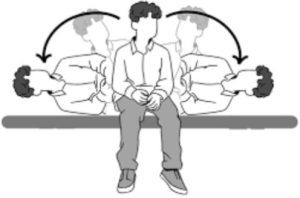
BRANDT-DAROFF EXERCISES
The Brandt-Daroff exercises are thought to disperse any tiny particles away from the balance centre in your ear, therefore getting rid of the cause of your dizziness. You may be anxious that the exercises will bring back your symptoms. This is normal. However, the exercises will only work if you feel dizzy as you do them. The dizziness will get less with time.
1. Sit on the edge of the bed.
2. Turn your head 45 degrees (look to the left). Lie down quickly on the right side. Ensure the back of the head rests on the bed. Wait 20–30 seconds or until the dizziness stops.
3. Sit upright. Wait 20–30 seconds for any dizziness to settle.
4. Repeat on the other side. Turn the head slightly to the right before lying down quickly on the left side.
5. Do this five times on each side (takes about 10 minutes). Repeat three times a day.
Leave a Comments
You must be logged in to post a comment.