

A Pelvic Floor Physiotherapist’s Guide to Pre and Postnatal Exercise

CATEGORY: WOMEN’S HEALTH
A Pelvic Floor Physiotherapist’s Guide to Pre and Postnatal Exercise
Pregnancy and postpartum bring significant changes women’s bodies, particularly to the pelvic floor and core muscles. A regular exercise routine can promote a smoother pregnancy, aid in labour, and enhance postpartum recovery, as well as assisting social and emotional wellbeing.
As physio with a special interest in women’s health and a mum myself currently expecting my 4 th baby, I’ve experienced firsthand how staying active can make a world of difference—though I’ll admit, it was much easier with my first couple of pregnancies! By the third and fourth baby, exhaustion and time constraints made it harder to prioritize exercise, but I found that small, intentional movements still made a big impact. Also my exercise routine while pregnant with my first 2 babies looked very different to my last 2, it was a big learning curve learning to slow down and truly listen to my body!! This guide provides evidence-based recommendations, along with some personal insights, on safe and effective pre and postnatal exercise.
The Role of Relaxin
One of the key hormonal changes during pregnancy is the increase in Relaxin, a hormone that helps loosen ligaments and joints in preparation for childbirth. While this increased flexibility is beneficial for labour, it can also lead to joint instability and a higher risk of injury if not managed properly, especially for those mums who are already naturally flexible or hypermobile in their joints, gymnasts and dancers, I’m talking to you!
Because of Relaxin, pregnant women may experience increased mobility in the pelvis, hips, feet, shoulders and lower back, making controlled and stabilizing exercises even more important. Engaging in strength training, core stabilization, and pelvic floor exercises under the guidance of a qualified professional can help counteract the effects of Relaxin and support overall joint integrity.
Pre-Natal Exercise
Benefits of Exercise During Pregnancy
- Improves posture and reduces back pain
- Enhances circulation and reduces swelling
- Supports pelvic floor function, reducing the risk of incontinence and prolapse
- Prepares the body for labour and delivery
- Aids in stress management and mental health
Safe Exercises During Pregnancy – a general guide only, please consult with your care provider or physiotherapist for individual guidance!
Pelvic Floor (Kegel) Exercises
- Contract and lift the pelvic floor muscles for 5-10 seconds, then relax for the same duration.
- Repeat 10-15 times, 2-3 times per day.
- Incorporate both slow, sustained pelvic floor contractions and quick, pulsed squeezes to improve muscle endurance and responsiveness.
Core Stability Exercises
- Diaphragmatic Breathing: Helps improve awareness of the abdominal and pelvic region and reduces tension in the pelvic floor.
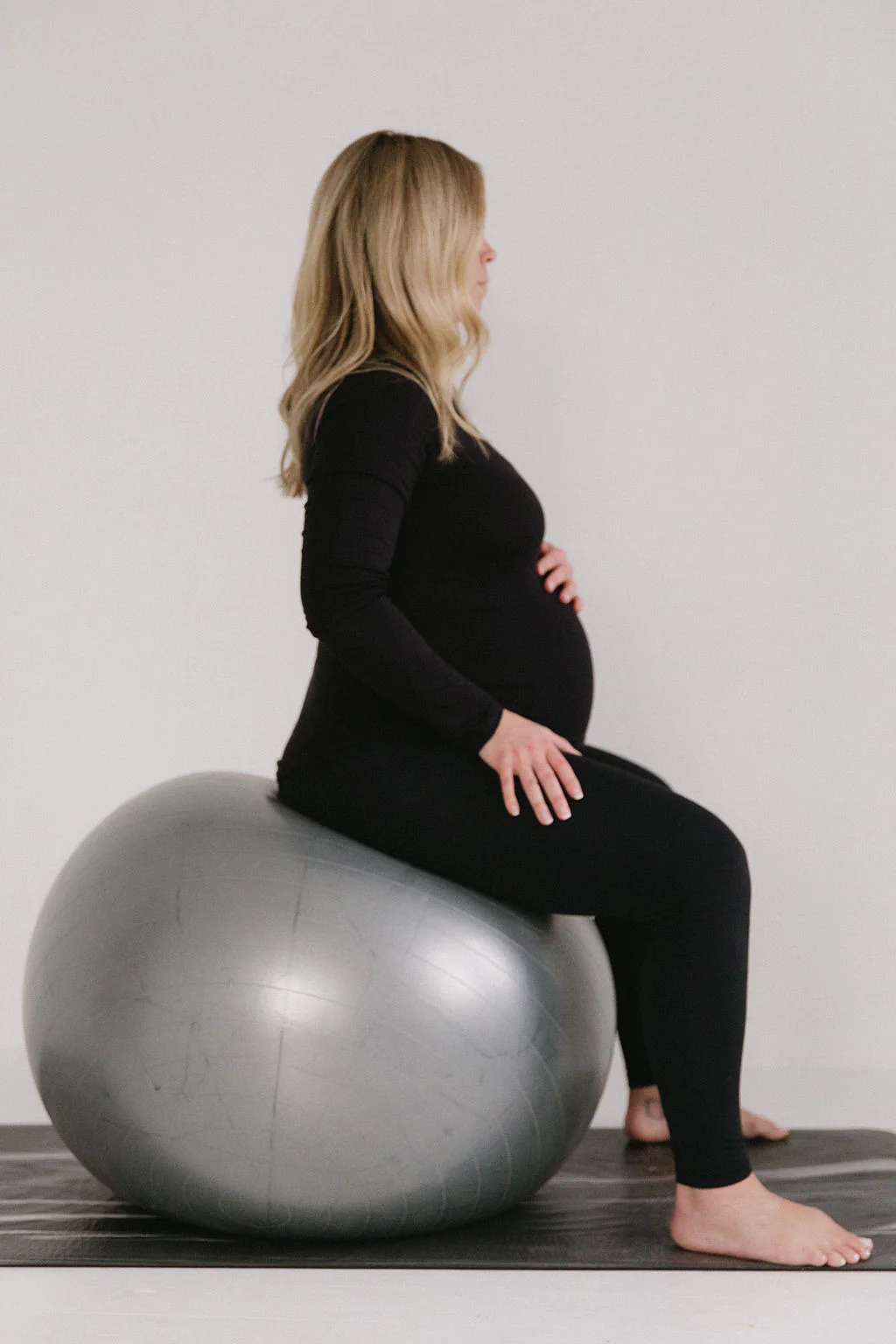
- Pelvic Tilts: Performed while lying on the back (up t16 weeks) or sitting on an exercise ball to relieve lower back pain.
- Modified Planks: Performed on hands and knees or with support to maintain core strength without excessive strain.
- Cat – Cow: a gentle mobility exercise for the whole spine that can be practiced throughout the whole pregnancy while also strengthening the core abdominals and pelvic floor.
Low-Impact Cardio
- Walking, swimming, and stationary cycling help maintain cardiovascular fitness without excessive joint stress.
Strength Training
- Use light weights or resistance bands to strengthen major muscle groups, emphasizing correct breathing, posture and alignment.
Exercises to Avoid During Pregnancy
- High-impact activities such as jumping or running (if symptomatic)
- Heavy lifting beyond comfortable resistance (If you hold your breath, it is too heavy!)
- Exercises that involve lying flat on your back after the first trimester
- Deep abdominal crunches or sit-ups
- Any movement causing pain, dizziness, or excessive pelvic pressure
Postnatal Exercise
Recovery Timeline
- 0-6 Weeks (Early Recovery Phase)
- Focus on breathing exercises, gentle pelvic floor activation, and core re-engagement. Good posture and back support is imperative, particularly during breastfeeding!!
- Walking can be introduced as tolerated starting with 10 minutes and gradually increasing as tolerated
- 6-12 Weeks (Progressive Strengthening Phase)
- Gradual reintroduction of low-impact cardio and bodyweight exercises under the guidance of a qualified health professional or physiotherapist
- Increase pelvic floor and core exercises with a focus on control and coordination.
- 3-6 Months (Gradual Return to Pre-Pregnancy Activity) This can vary immensely, so seeking the guidance of a health professional is highly recommended before returning to any high impact exercise or competitive sport.
- Begin strength training and higher-intensity workouts if cleared by a healthcare professional.
- Gradual return thigh impact activities only after pelvic floor stability is assessed.
Key Exercises for Postpartum Recovery
Pelvic Floor Rehabilitation
- Continue pelvic floor exercises to restore strength and prevent incontinence and pelvic organ prolapse.
- Focus on mindful coordination between breath and movement.
Core Rehabilitation
- Your physiotherapist will check if you have Diastasis Recti (separation of your six pack muscles) and teach you how to correctly strengthen your abs to help close the gap without straining.
- Transverse Abdominis Activation: Engage deep core muscles by drawing the belly in without holding the breath.
- Heel Slides: Performed lying down, sliding one foot away while maintaining core and pelvic floor control.
- Bridge Exercise: Strengthens the glutes and core while gently encouraging mobility of the spine.
Gradual Strength Training
- Bodyweight squats, lunges, and resistance band exercises can be introduced progressively.
Low-Impact Cardio
- Walking, cycling, and swimming can aid in improving endurance without excessive strain.
Signs to Modify or Stop Exercise
- Urinary leaking, difficulty holding in wind or a feeling of heaviness ore pressure in the pelvic area
- Persistent pain in the pelvis, lower back, or abdomen
- Excessive fatigue or dizziness
- Abdominal bulging or doming with core or abdominal exercises
Pre and postnatal exercise is crucial for maintaining strength, function, and overall well-being. However, every woman’s journey is unique, and individualized guidance from a pelvic floor physiotherapist can ensure a safe and effective recovery. From personal experience, I know that staying active during pregnancy and postpartum isn’t always easy—especially when juggling multiple children—but even small efforts can lead to long-term benefits. Prioritizing pelvic health through mindful exercise can lead to improved quality of life, better recovery, and increased confidence in your body’s abilities, so stay strong mamas, self care is not selfish and your body will thank you!
Leave a Comments
You must be logged in to post a comment.