

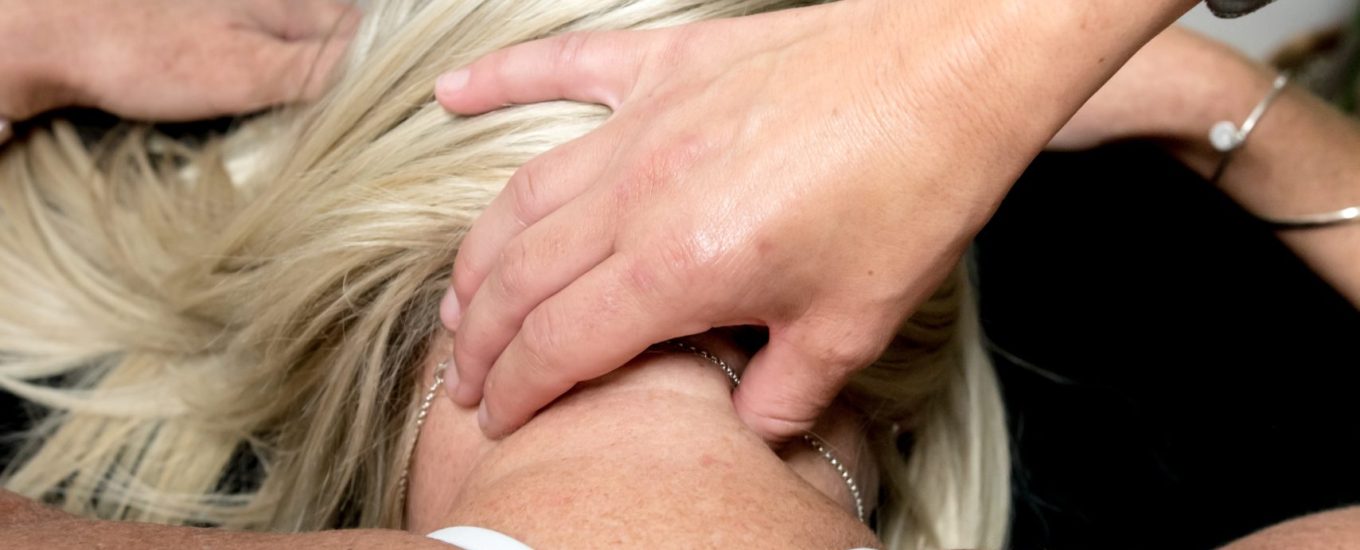
Cervicogenic Headaches


CATEGORY: SPORTS & MUSCULOSKELETAL
Cervicogenic Headaches
Cervicogenic headaches are a type of headache that originates from the cervical spine.
There are many different types of headaches, such as migraines and tension headaches, however cervicogenic headaches have distinct features and require a different approach to treatment in order to gain relief from the symptoms.
One of the primary symptoms of cervicogenic headaches is pain that originates from the neck and radiates to the head. This pain is typically localised to one side of the head and is often accompanied by neck pain or stiffness. Diagnostic tests such as MRI or CT scans may not always reveal definitive evidence as the specific structural changes in the cervical spine associated with cervicogenic headaches may not always be clearly visible. Due to this, your Physiotherapist will rely more on clinical evaluation and symptom assessment in order to diagnose and create the appropriate treatment plan.
The exact cause of cervicogenic headaches is not entirely understood, but it is believed that they are caused by dysfunction in the cervical spine or the muscles and nerves surrounding it. This dysfunction can be due to a variety of factors, including:
- Poor posture: Prolonged sitting or standing in a position that strains the neck can cause muscle tension and stiffness.
- Neck injuries: Whiplash, a common injury in car accidents, is just one injury that can lead to cervicogenic headaches.
- Osteoarthritis: Wear and tear of the joints in the neck can cause inflammation, leading to headaches.
- Herniated or bulging discs: The discs between the vertebrae in the neck can become damaged, causing compression of nerve.
- Pinched nerves: Nerves that exit the spinal cord in the neck can become compressed or irritated.
The treatment of cervicogenic headaches depends on the underlying cause and severity of the condition. Some treatment options that your Physiotherapist may incorporate into your plan include:
- Manual therapy: To address soft tissue restrictions and joint dysfunctions in the cervical spine. These techniques may include joint mobilisations, manipulations, and soft tissue massage. This helps improve joint mobility, reduce muscle tightness, and alleviate pain.
- Posture correction and re-education: Poor posture can contribute to cervicogenic headaches by placing excessive strain on the neck and surrounding muscles. This may also include recommendations of different ergonomic adjustments in workstations to promote optimal posture, and education on proper body mechanics and postural habits.
- Strengthening exercises: Specific exercises target the muscles in the neck, shoulders, and upper back to improve their strength and endurance. Strengthening these muscles helps provide better support to the cervical spine, reducing strain and tension.
- Stretching exercises: Stretching exercises help improve flexibility and reduce muscle tension in the neck and shoulders. Stretching routines that target specific muscles, such as the neck extensors, upper trapezius, and levator scapulae muscles may be prescribed.
- Education and self-management strategies: Physiotherapists can provide guidance on self-management strategies, such as stress reduction techniques, stretching exercises, and self-care techniques like heat or cold therapy. By providing patients with the knowledge and skills, the patients are in a position to actively participate in their own recovery and prevent future episodes of cervicogenic headaches.
Preventing cervicogenic headaches involves adopting habits that promote good posture and reduce tension in the neck and shoulders. Some tips for preventing cervicogenic headaches include:
- Maintaining good posture: This involves sitting and standing with your shoulders back, head level and chin tucked in.
- Taking frequent breaks: If you spend long periods of time sitting, take frequent breaks to stand up and stretch.
- Stretching: Stretching exercises can help reduce tension in the neck and shoulders and improve flexibility and mobility.
- Ergonomic workstation setup: Ensure that your computer screen is at eye level and your keyboard and mouse are at a comfortable distance from your body.
Cervicogenic headaches can be a debilitating condition that can impact your quality of life. It is essential to get an accurate diagnosis and appropriate treatment to manage the symptoms effectively. If you experience frequent headaches, it is best to speak with a healthcare professional like a Physiotherapist or your GP. By taking steps to prevent cervicogenic headaches, you can reduce your risk of developing this condition and improve your overall health and wellbeing.
Leave a Comments
You must be logged in to post a comment.